
When a McKinney homeowner hears scratching after dark or finds a torn food package, the first question is often where the rodent entered. The answer may be lower than expected: a door sweep, pipe penetration, garage edge, vent, roofline, or foundation gap. A structured perimeter check helps connect the sign inside the home to the access and conditions outside it.
Start with the size of the opening
Mice can use openings around a quarter inch wide, while rats generally need more room. That does not mean every gap of that size is active, but it does change what is worth inspecting. Look for daylight, rub marks, droppings, gnawing, nesting material, or disturbed insulation around transitions.
Use a flashlight and a slow walk rather than checking only at eye level. Mice may move along baseboards, utility lines, cabinets, and garage edges. Rats may use larger foundation, roofline, storage, or waste-area routes. The property’s layout helps decide where to look next.
The most common entry zones
Doors and garage thresholds are high-value starting points because sweeps wear, corners settle, and stored items can hide a gap. Next, check where plumbing, electrical, cable, and HVAC lines pass through walls or foundations. Vents and roofline transitions deserve attention too, especially after repairs or storms.
Move outside and follow the foundation. Check siding-to-masonry transitions, crawl-space vents, utility boxes, downspouts, and areas where landscaping or stored materials meet the building. A clear perimeter makes new signs easier to see.
Food, water, and shelter keep the route useful
Closing one gap may not change the pattern if food, water, and shelter remain easy to access. Keep pantry items and pet food sealed, manage trash, repair leaks, and reduce clutter in garages, attics, and storage rooms. Dense vegetation or stacked materials beside the foundation can add cover.
Sanitation is not about blame. It is a practical way to make the property less rewarding for activity and easier to monitor. A clean storage shelf, a dry utility area, and a visible door sweep can all improve the next inspection.
What a focused rodent-control conversation can cover
A property-focused conversation can map signs, likely entry points, food and water sources, and monitoring locations. If activity is in a wall or attic, the timing and direction of sound can help narrow the search. Photos of droppings, gnaw marks, openings, or damaged packaging are useful context.
Correction may include practical exclusion, door-sweep or screening discussion, weatherproofing, leak repair, and changes to food or waste storage. The right sequence depends on the species, access, and conditions on site.
How to monitor after a correction
After an access point is corrected, look for fresh droppings, new gnaw marks, sounds, disturbed insulation, or activity in a different room. Keep notes on time of day and location. A change in the pattern can show that the route moved or that another opening remains.
Do not sweep or vacuum rodent droppings dry. Follow CDC cleanup guidance, use appropriate protective measures, and seek additional guidance for a larger infestation. Cleaning and exclusion work together; neither replaces the other.
McKinney conditions worth noting
Heat, storms, new construction, landscape changes, and seasonal movement can all affect rodent routes. A garage that was quiet may become attractive when temperatures change, while a roofline opening can become more important after wind or rain.
When a home sits near open space, greenbelts, mature vegetation, or shared walls, describe those conditions in the first conversation. They do not prove a cause, but they help frame how the property is used and where activity might travel.
When to ask for help
Arrange a focused discussion when signs repeat, activity reaches more than one room, a suspected opening is hard to access, or cleanup feels unsafe. Share the room, time, sign, and any changes you have already made.
Focused Exterminators uses that field note to discuss rodent control around McKinney homes and businesses, with attention to entry, correction, monitoring, and the maintenance habits that keep the route easier to read.
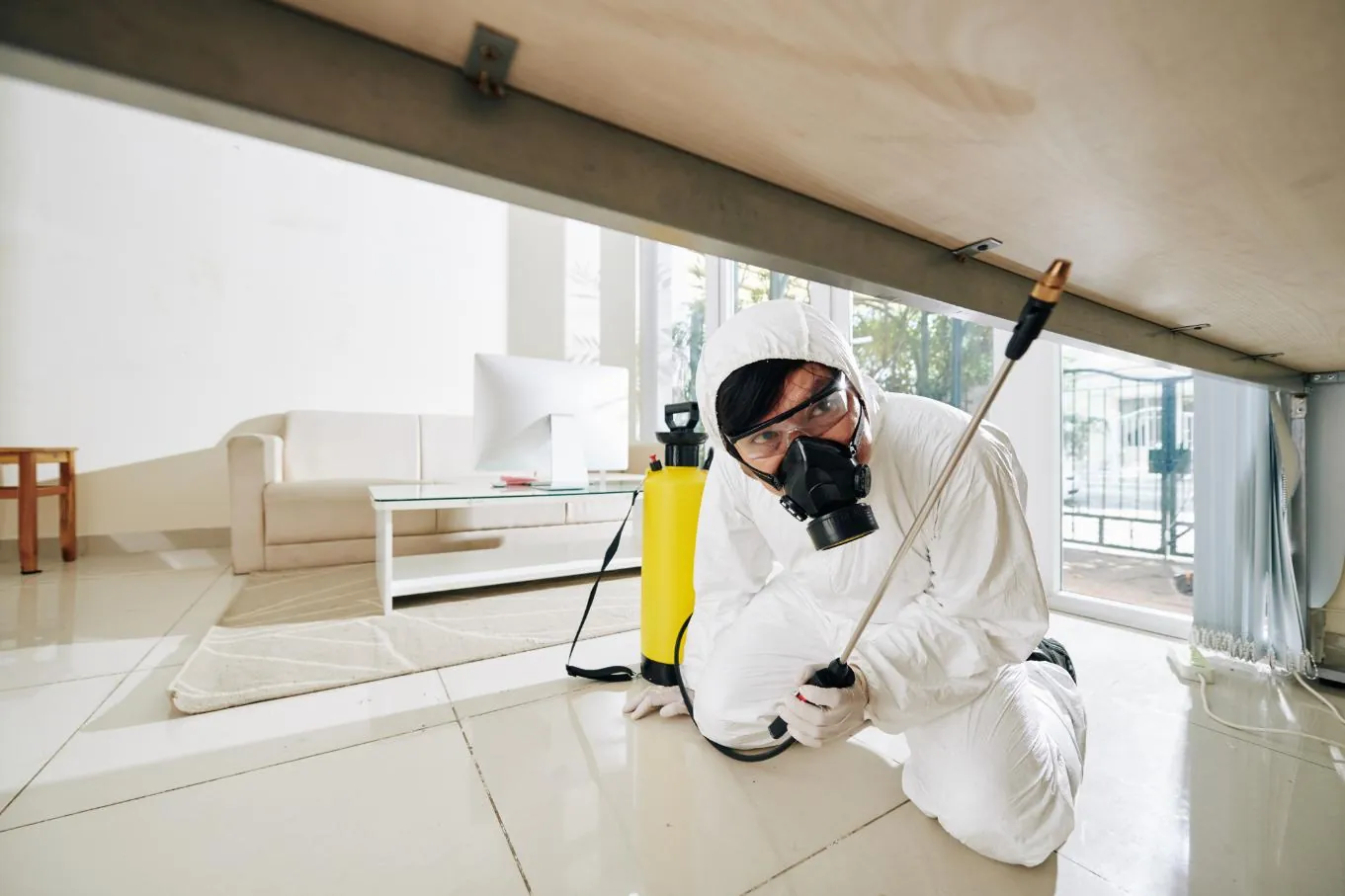
Small details matter
Make the property
easier to read.
One focused next step
Talk through the pattern.
Call Focused Exterminators at (945) 307-3080 between 07:00 AM and 08:00 PM, or send the property details above.
Contact Focused ↗